Recent Flooding Events
Malaysia has experienced several significant flooding events in recent months, impacting various states and communities. Here are some notable instances:
November 2024: Severe Floods Across Multiple States
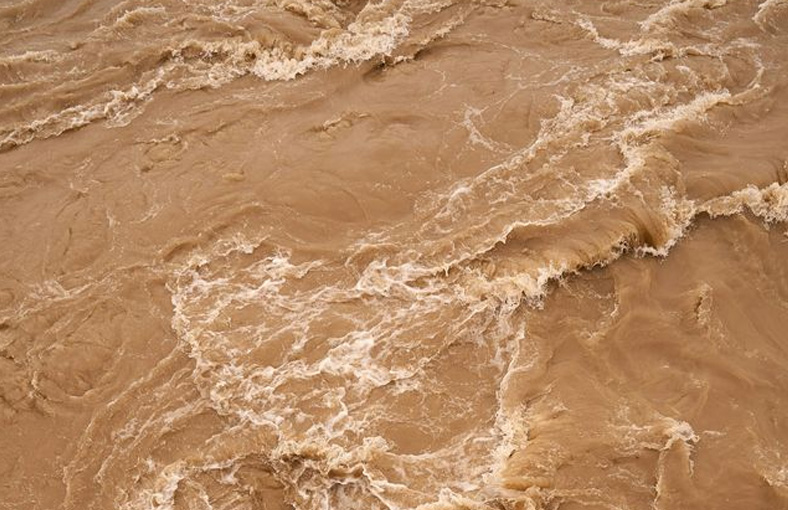
In November 2024, Malaysia faced its most severe flooding in decades, displacing more than 90,000 people. The heavy rainfall led to widespread flood, particularly affecting states like Kelantan and Terengganu. The Malaysian Meteorological Department indicated that the Northeast Monsoon, which began on November 5, 2024, was expected to continue until March 2025, contributing to continuous heavy rainfall and subsequent flooding in low-lying and flood-prone areas. (Source: Reuters)
December 2024: Additional Flooding and Government Response
Following the November floods, another wave in December 2024 forced thousands from their homes, especially in the southern state of Johor, as well as in Sarawak and Sabah on the island of Borneo. In response, Prime Minister Datuk Seri Anwar Ibrahim announced an immediate allocation of RM50 million—RM25 million each for Kelantan and Terengganu—to repair essential infrastructure such as roads and drainage systems. Additionally, a special financial assistance of RM500 was provided to over 14,000 civil servants in Terengganu, amounting to RM7.4 million. (Source: Reuters & The Malaysian Reserve)
February 2025: Distribution of Flood Aid
By February 2025, the National Disaster Management Agency (NADMA) reported that a total of 650 tonnes of aid worth RM35 million had been distributed to flood victims nationwide during the 2024/2025 Northeast Monsoon season. The aid included personal care kits, hygiene kits, financial assistance, and school aid, delivered through a collaborative network involving various agencies and volunteer organizations. (Source: Selangor Journal)
March 2025: Economic Impact of Floods
In March 2025, the Department of Statistics Malaysia reported that flood-related losses surged to RM933.4 million in 2024. The manufacturing sector in Kelantan recorded losses of RM1.01 million, with Pasir Mas experiencing the highest impact at RM1 million. (Source: The Star)
October 2024: Proactive Measures and Budget Allocation
Anticipating future flood risks, the government allocated RM150 million in October 2024 to local authorities and the Department of Irrigation and Drainage for cleaning drains and dredging rivers in flood-hit areas. This initiative aimed to address recent flash floods that affected the capital and several major towns. (Source: Daily Express+1The Star+1)
These events underscore the challenges Malaysia faces with recurrent flooding and highlight the government’s efforts to mitigate impacts through financial aid, infrastructure repair, and proactive planning.
How the Voda Rainwater Harvesting System Can Help Mitigate Urban Flooding
What will you be using the conserved rain for?
As climate change continues to intensify, cities and communities around the world are experiencing more frequent and severe flooding events. Erratic rainfall patterns, rapid urbanization, aging infrastructure, and insufficient drainage systems often leave urban areas vulnerable during heavy rainfall.
One potentially effective solution gaining momentum is rainwater harvesting — and to some extent, the Voda Rainwater Harvesting System may offer a smart, sustainable answer to this growing problem.
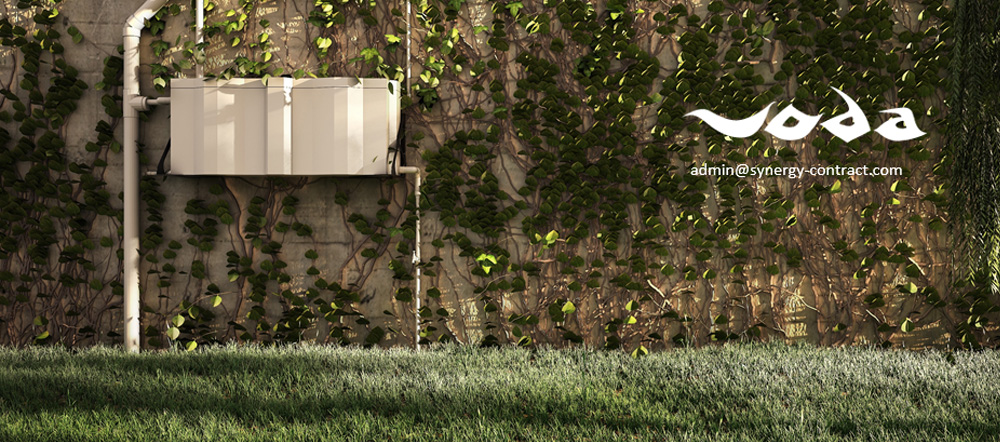
With a unique wall mounted designed, the patented Voda Wall Mounted Rainwater Harvesting System offered by Green Master Harvest Sdn Bhd is fully zero carbon (functions on gravity without needing electricity) and saves space.
Together with Voda Cylinder, the Voda Systems come in many sizes to fulfill various consumption needs.
Understanding the Flooding Problem
Urban flooding typically occurs when rainfall exceeds the capacity of a city’s storm water infrastructure. Impervious surfaces such as concrete and asphalt prevent water from naturally soaking into the ground, leading to runoff that overwhelms drains, floods roads, and damages property.
During heavy downpours, this excess runoff accumulates quickly. In older cities with outdated systems or in newly built areas with inadequate planning, the situation can turn hazardous in a matter of hours.
Voda - More Than Just Rainwater Collection
The Voda Rainwater Harvesting System is designed not only to capture rainwater but also to manage it in a way that reduces strain on storm water systems.
Here’s how it helps prevent and mitigate flooding:
1. Reduces Surface Runoff
Voda collects rainwater from rooftops and other catchment areas and stores it in specially designed tanks. This process reduces the volume of runoff that would otherwise flow into storm drains. By capturing water at the source, it effectively lowers the immediate burden on municipal drainage infrastructure during peak rainfall events.
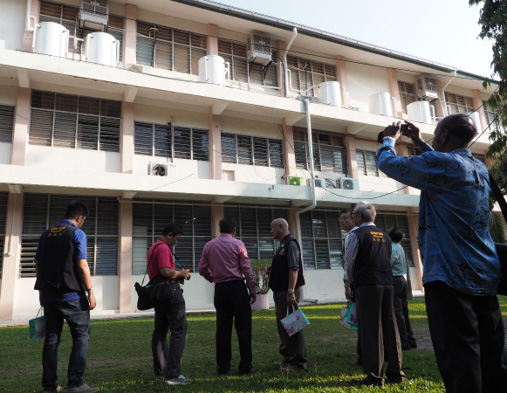
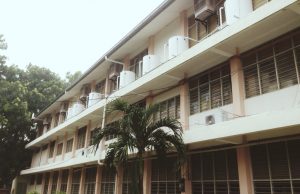
Voda Rainwater Harvesting System designed by the Voda Team in SMJK C Dindings, Sitiawan. Large Voda Cylinder Rainwater Tanks are set up to capture high rainfall collected by the roof which are then channeled to flush toilets of the school. The school estimates to be enjoying at least 50% savings in water consumption.
2. Slows Down Water Release
Because the Voda Rainwater Harvesting System is capturing the rainfall which are then later reused for various non-potable consumption including landscaping, irrigation and floor washing, it is able to help delay the release of rainwater, ensuring that storm water networks are not overwhelmed all at once.
When the Voda Rainwater Harvesting System are specifically designed for this purpose, the structure’s roof catchment ability and rainfall data are studied & analyzed so that the Voda Rainwater System can capture the expected rainfall effectively.
3. Scalable and Modular Design
From residential buildings to large commercial structures, the Voda Rainwater Harvesting System can be scaled according to need, which is made possible by its modular design. By decentralizing water management — allowing each building to handle its own rainfall — the cumulative effect significantly reduces the overall risk of flooding.
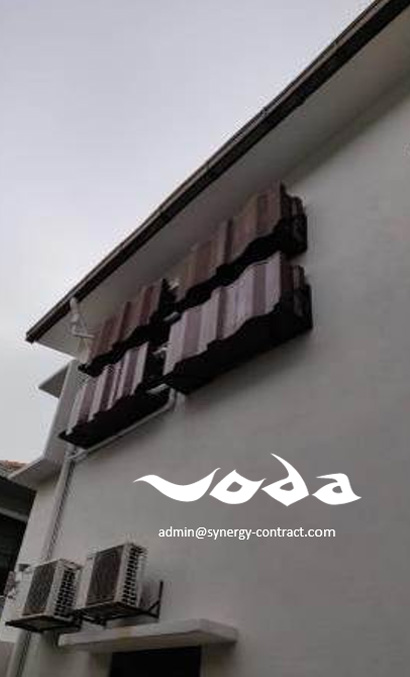
The above photo shows Green Master Harvest Sdn Bhd’s flagship & patented Voda 1 Wall Mounted System, which is gravitational (i.e. fully zero carbon & functions without a pump) & is space saving. Apart from these helpful features, the Voda is also modular which makes it scalable. This appeals to structure owners who are keen to harvest rainwater but may not have space to do so.
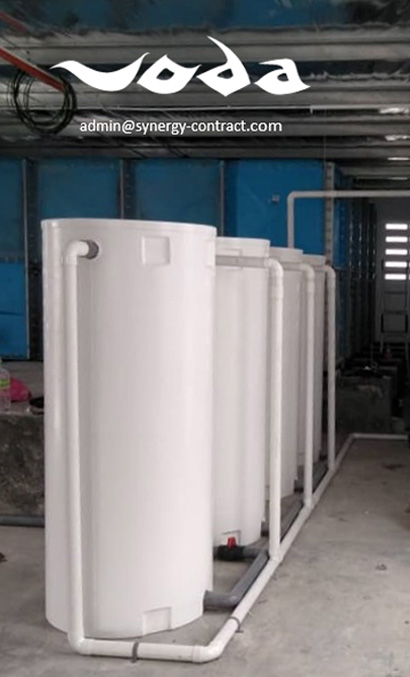
Modular Voda Cylinder Rainwater Harvesting System set up at an Industrial structure – which also functions on gravity without electricity. Wherever possible, the Voda team optimizes space by utilizing spaces that enable a zero-carbon system without sacrificing operational spaces. Such decentralized system allows for a great degree of flexibility spatially (instead of having one large centralized system in 1 location) and is also more effective as it is able to take advantage of rainfall of multiple structures.
4. Overflow Management
During extreme rainfall, the Voda Rainwater Harvesting System includes overflow pathways to direct excess rainwater safely away from building foundations and into designated drainage, preventing waterlogging.
5. Public Education and Community Engagement
In our years of implementation, we find that the Voda Rainwater System results in favorable community engagements.
In many instances, when implemented in schools, for example, apart from saving water, the Voda Rainwater System was able to serve as an educational tool.
Beyond saving water, the Voda Rainwater System also supports other green efforts which the Voda Rainwater System is able to contribute such as planting trees, hydroponics and building vegetable farms.
Other than that, when communities are saving water, it is more likely that other green practices are also being implemented or would follow suit such as recycling, composting, energy conservation & responsible waste disposal – that could have an indirect relief. For example, not littering in drains could prevent local flooding.
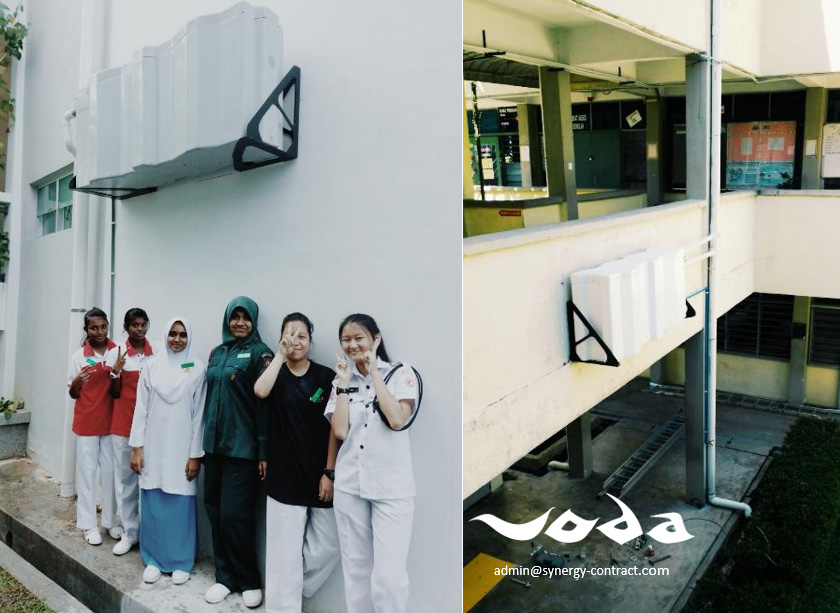
The Voda 1 Wall Mounted System that are implemented in schools encourages positive engagements towards other areas of sustainability including education, planting, conservation.
Additional Benefits Beyond Flood Prevention
While flood mitigation is a key advantage, the Voda Rainwater Harvesting System also contributes to water conservation, reduces dependency on municipal supply, and provides a sustainable source of non-potable water for uses like irrigation, cleaning, and flushing toilets.
In particular, the Voda Wall-Mounted Systems & those designed to be zero carbon also helps save carbon footprint, which further appeals to sustainability-driven users & companies.
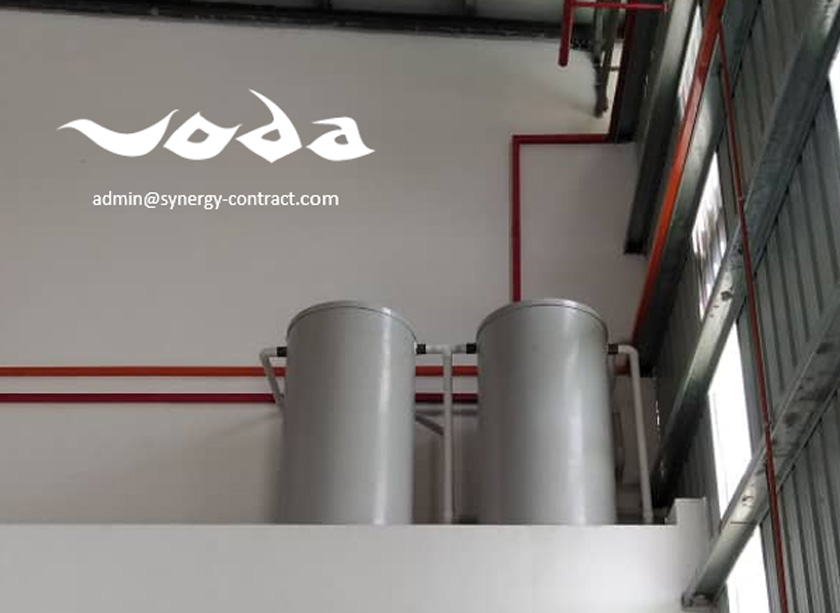
Modular Voda Cylinder Rainwater Harvesting System set up an Industrial structure – which also functions on gravity without electricity. Wherever possible, the Voda team optimizes space by utilizing spaces that enable a zero-carbon system without sacrificing operational spaces.
Future-Ready Infrastructure
Investing in systems like Voda Rainwater Harvesting System represents a proactive step toward building climate-resilient infrastructure. As cities grapple with unpredictable weather patterns and rising water levels, integrating smart rainwater harvesting into urban planning is no longer optional — it’s essential.
The Voda Rainwater Harvesting System isn’t just about saving water — it’s about smartly managing it. By capturing, controlling, and redistributing rainwater, Voda offers a powerful solution to one of urban life’s most pressing challenges: flooding. Whether for individual households or entire communities, adopting such systems can pave the way toward a safer, more sustainable future.
Discover how the Voda Rainwater System can be tailored to your specific industrial needs. Download our latest resources or speak with our specialists.
Get in Touch
Green Master Harvest Sdn Bhd
- Website: vodarainwaterharvesting.com
- Email: admin@synergy-contract.com
- Contact: +603 9081 5076 | +6010 228 9652